
The Next Five Voices Shaping Thailand’s Global Art Identity
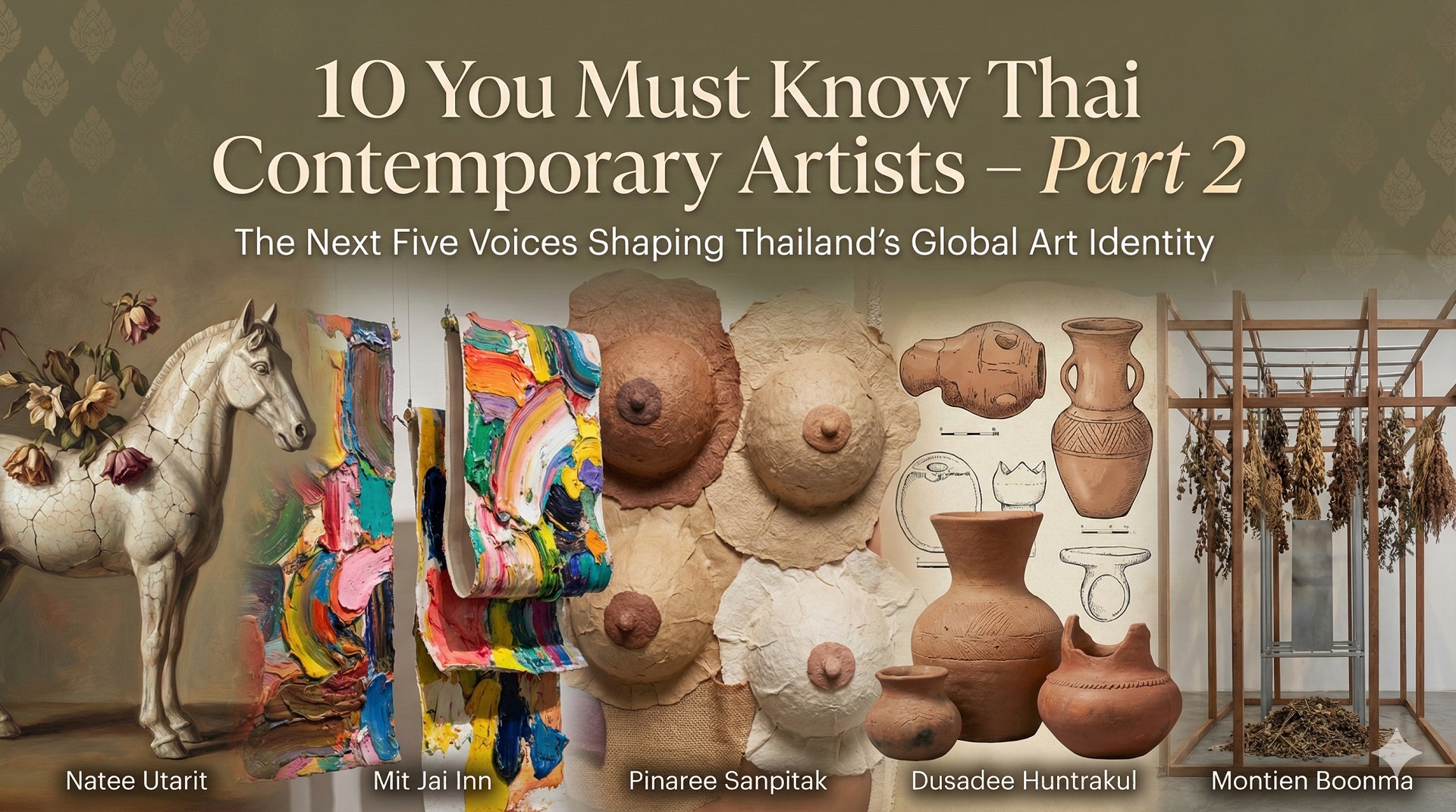
While Part 1 highlighted artists who transformed social encounters, identity rituals, and community narratives, Part 2 spotlights five additional figures whose works push Thai contemporary art into new territories—philosophical painting, sensory abstraction, feminist exploration, material experiment, and cultural archaeology.
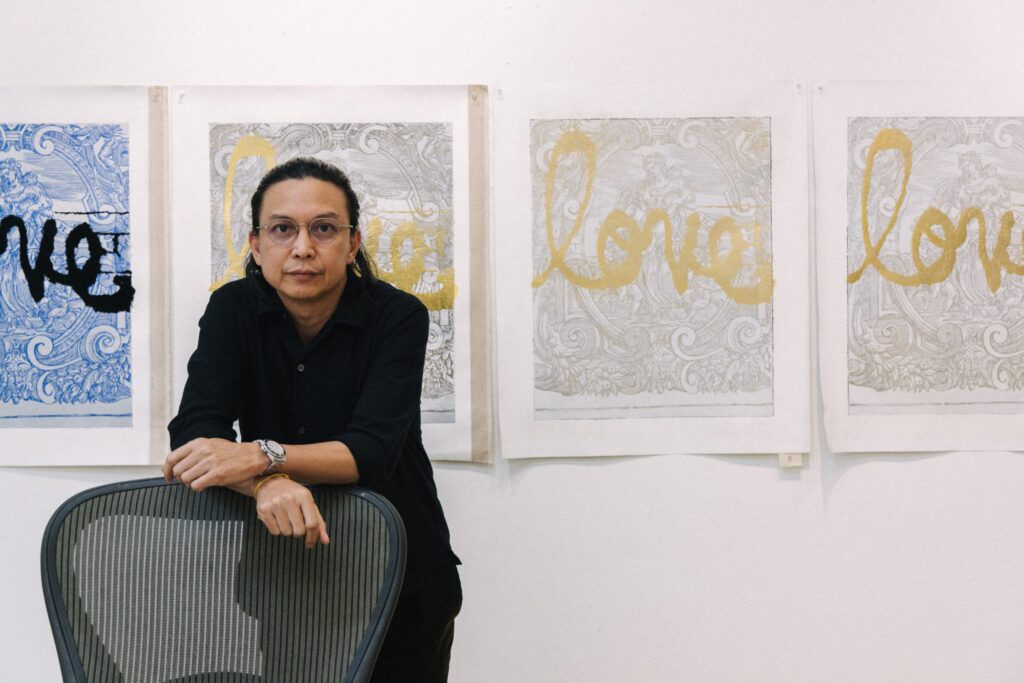
6. Natee Utarit (b. 1970)
Philosophical Painting, Broken Beauty, and the Memory of Images
Natee Utarit is regarded as one of the most intellectually compelling painters in Southeast Asia. At first glance, his paintings resemble classical European still lifes or religious tableaux. But look closer and you’ll find dislocated objects, symbolic fragments, and emotional ruptures.
He uses the language of Western art history—only to subvert it.
A wilted flower, a cracked ceramic horse, a solitary chair.
Each becomes a metaphor for Southeast Asia’s postcolonial tension, the fragility of modern identity, and the instability of meaning in contemporary life.
Why he matters:
- One of the most internationally collected Thai painters
- Exhibited widely across Europe and Asia
- Combines philosophical inquiry with art-historical technique
Key works: Optimism Is Ridiculous series, The Altarpieces, Illustration of the Crisis
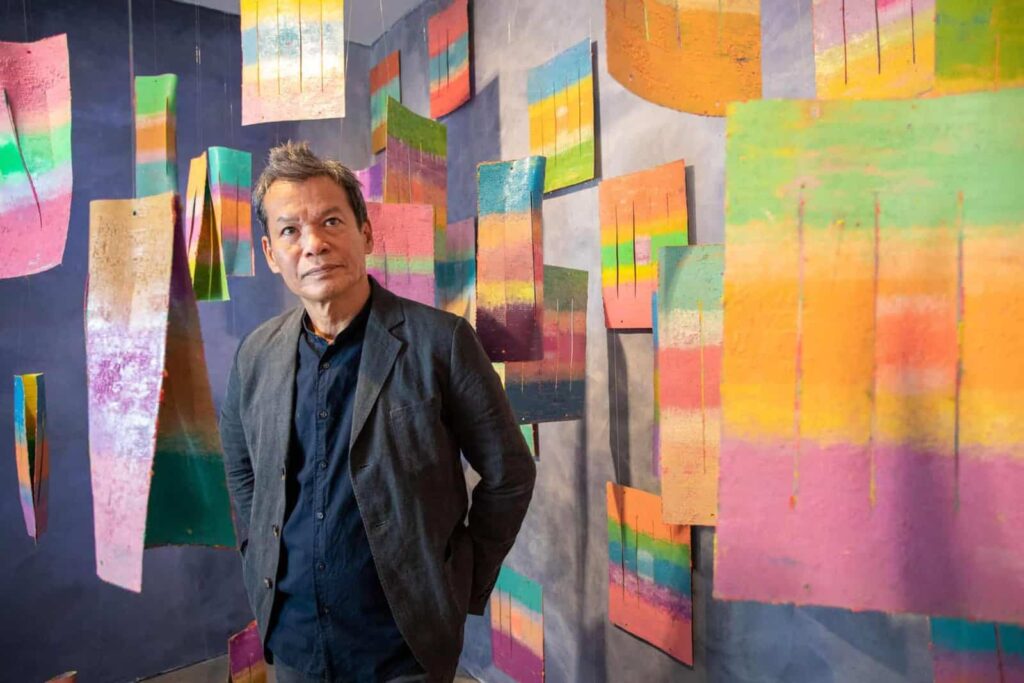
7. Mit Jai Inn (b. 1960)
Color, Touch, Landscape, and the Sensory Language of Abstraction
Mit Jai Inn is Thailand’s most influential abstract painter. His signature thick, hand-rolled, luminous paint surfaces—sometimes hung like cloth, sometimes laid across the floor—invite viewers into a physical, sensorial encounter with color.
There is no distance in a Mit Jai Inn work.
You don’t just view the painting—
you feel it.
His colors hum, vibrate, and seem to breathe.
His materials capture the political and emotional landscapes of Thailand in ways that words cannot.
Why he matters:
- A vital figure in Southeast Asian abstraction
- His tactile “scroll-paintings” challenge traditional formats
- Exhibited at Documenta and leading regional museums
Key works: Dreamworks, Patchworks, Untitled (Scroll Paintings)
8. Pinaree Sanpitak (b. 1961)
The Female Body, Sacred Forms, and the Architecture of Care
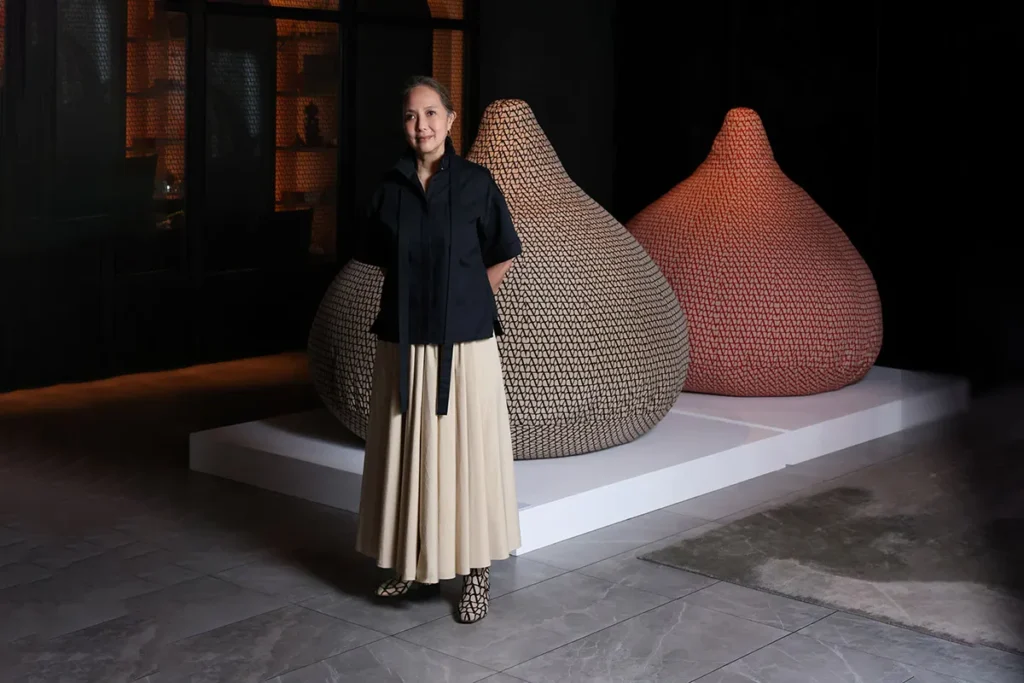
Pinaree Sanpitak is one of the most important female artists in Thai contemporary art. Her work explores the body—particularly the female body—not as an object of desire, but as architecture, sanctuary, nourishment, and spiritual vessel.
Her iconic breast-like forms (“breast-stupas”) appear in paper sculptures, textiles, glass, ceramics, and installation.
They are intimate yet universal—quietly radical, deeply human.
Pinaree’s works speak about mothering, vulnerability, pleasure, and spiritual grounding—subjects often overlooked in the contemporary art world.
Why she matters:
- A leading feminist artist in Southeast Asia
- Exhibitions at Venice Biennale, Sherman Foundation, and international institutions
- Blends tenderness, activism, and ritual
Key works: Breast Stupa Topiary, Foodshell, Temporary Insanity
9. Dusadee Huntrakul (b. 1978)
Anthropology, Clay, Migration, and the Archaeology of the Present
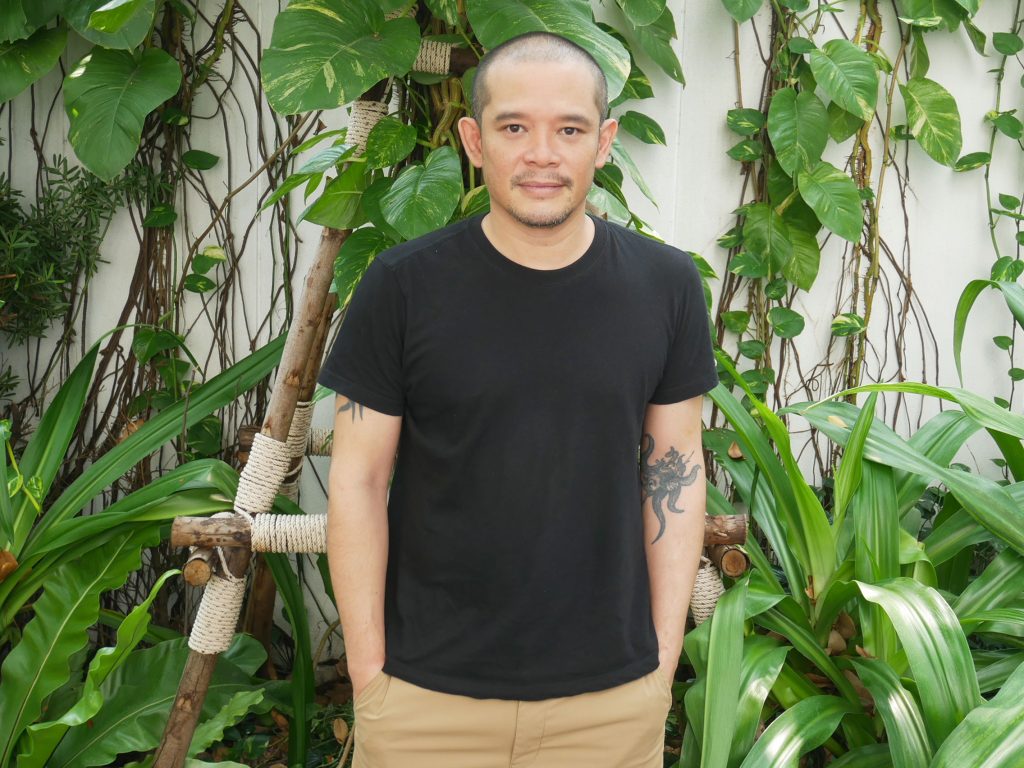
Dusadee Huntrakul is a sculptor and researcher who treats clay as a living archive. His ceramics, drawings, and installations reference cultural artifacts, migration routes, and disappearing craft traditions.
His works feel both ancient and futuristic—
a reminder that every culture carries stories that can be lost, buried, or rediscovered.
Dusadee’s anthropological sensibility gives Thai contemporary art a different dimension:
Not only exploring identity, but excavating its hidden layers.
Why he matters:
- Exhibited at the 55th Venice Biennale
- Works collected by leading Asian museums
- Bridges archaeology, contemporary sculpture, and global migration narratives
Key works: The Birds Have Landed, Archaeology of Loss, Clay Drawings
10. Montien Boonma (1953–2000)
Ritual, Healing, and the Architecture of Breath
Montien Boonma is the exception on this list—and the only Thai artist here who is no longer with us. But his influence on Thai contemporary art is so profound that leaving him out would feel irresponsible.
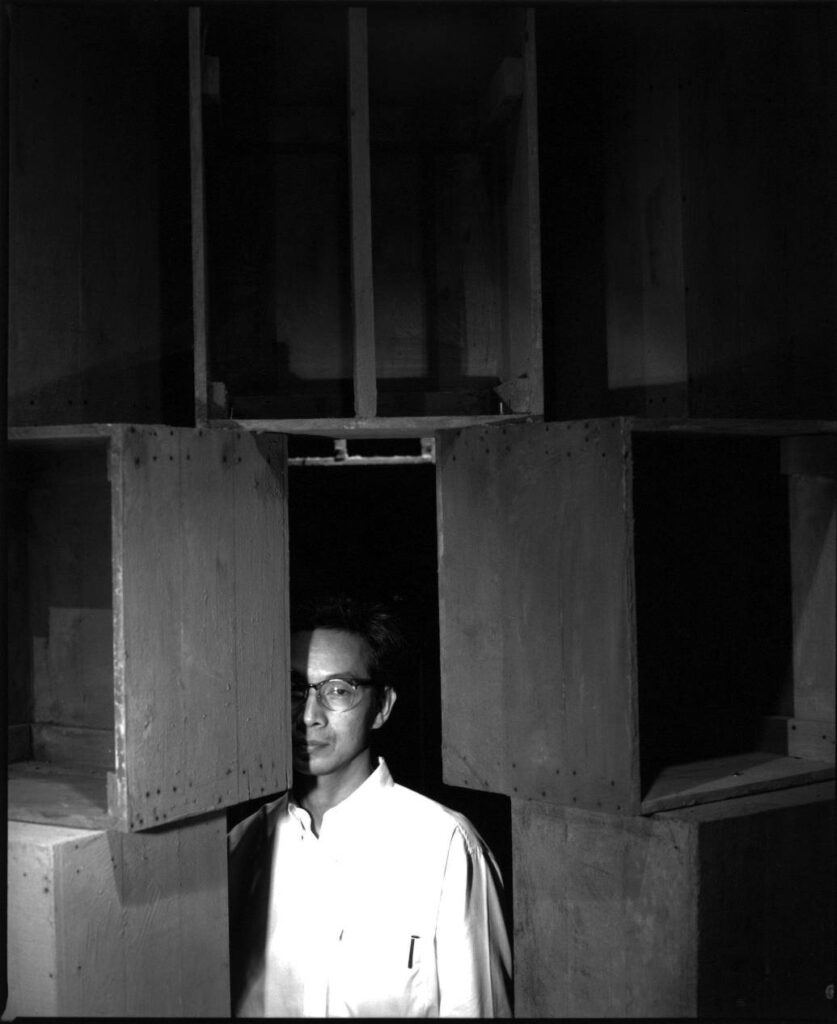
His works merge Buddhist philosophy, architecture, organic materials, and ritual. Using herbal powders, metal structures, spices, ashes, and architectural forms, he created spaces for contemplation, healing, and spiritual renewal.
Standing inside a Montien installation feels like entering a breath—
soft, slow, grounding.
His legacy continues to guide generations of Thai artists exploring spirituality in contemporary form.
Why he matters:
- The most influential spiritual conceptual artist in Thai history
- Exhibited at Venice Biennale, Fukuoka Asian Art Museum, and major retrospectives
- Blended ritual, architecture, and contemporary art with unmatched sensitivity
Key works: Temple of the Mind, House of Hope, Lotus Sound
Thailand’s art scene is not only diverse—
it is profoundly alive, evolving through global conversations while staying deeply rooted in its cultural complexities.